
Microsoft Is Raising Office Prices: What Tulsa Businesses Should Know Before July

Microsoft Is Raising Office Prices: What Tulsa Businesses Should Know Before July

If you use Microsoft Office for email, documents, spreadsheets, or collaboration, there’s an important change coming.

Microsoft recently announced that it will increase prices on commercial Microsoft 365 and Office subscription bundles starting in July.  For many businesses, that means higher monthly IT costs — whether they’re ready for it or not.

Before panic sets in or budgets get slashed, here’s the reality:
This isn’t just a price increase. It’s a moment to step back, evaluate how your technology is being used, and make sure you’re paying for tools that support your business goals.

For Tulsa-area businesses, especially small and mid-sized teams, this is exactly where smart IT strategy makes the difference.


Why Microsoft Is Raising Prices

Microsoft’s pricing update reflects continued investment in cloud infrastructure, security, AI-driven features, and collaboration tools. In short, the platform is doing more than it did just a few years ago — and Microsoft is pricing accordingly.

The problem?
Many businesses are paying for more than they use — or using tools inefficiently without realizing it.

When prices rise, inefficiencies hurt more.

That’s why this announcement shouldn’t just trigger a billing change. It should trigger a conversation.


What the Price Increase Actually Looks Like

Microsoft’s price changes are the first major commercial adjustment in several years, and they vary by plan. While the exact amount your business will pay depends on which Microsoft 365 or Office bundle you’re using, here’s a clear summary of the key changes that matter for most small and mid-sized organizations:

  • Microsoft 365 Business Basic – Price is increasing by roughly 20%.
  • Microsoft 365 Apps for Business – Price is increasing by about 10%.
  • Microsoft 365 Business Premium – Price is increasing around 15%.

For example, a plan that once cost $20 per user per month could be moving closer to $24, and higher-tier plans with advanced security and device management can see even bigger bumps.

These changes are rolling out in July, so any business renewing existing subscriptions or adding new licenses should expect updates to their monthly or annual billing statements.

For a team of 20–50 users — which is common for many Tulsa and Oklahoma companies — even a few dollars per user adds up quickly. A $3/month increase on 50 seats is an extra $150 per month — that’s $1,800 per year added to your software budget.

Without assessing how your business uses these tools, you could end up paying for features no one uses or missing out on capabilities that would make you more efficient.


Why These Numbers Matter for Oklahoma Businesses

This isn’t just about larger enterprises. For many Tulsa-based organizations — from legal firms and healthcare practices to architecture firms and manufacturers — Microsoft 365 applications are integral to daily operations.

Instead of simply absorbing the price increase, this is a moment to take a closer look at how your organization uses Microsoft 365 and Office tools:

  • Which plans are being used — and by whom
  • Whether users are on plans that match their actual needs
  • Whether advanced security tools (like identity protection and conditional access) are configured
  • If automation and collaboration features are being utilized
  • Whether there are redundancies or unused seats that could be optimized

This kind of review can offset increases, improve security posture, and eliminate waste — turning a price hike into a chance to tighten your tech stack and reduce risk.


Cutting Through the Noise: What Actually Matters in Microsoft 365

Instead of reacting emotionally to the price increase, focus on what truly moves the needle.

Cloud-based tools that support flexibility

Microsoft’s cloud ecosystem allows your team to work securely from anywhere — in the office, at home, or on the road. When set up correctly, cloud tools improve uptime, simplify updates, and protect data automatically.

But without proper configuration, you’re often just scratching the surface while paying full price.

Automation that saves real time

Microsoft includes powerful automation capabilities — but most businesses never use them. Automating repetitive tasks like file management, approvals, and reporting can save hours each week and reduce human error.

That’s productivity you can measure.

Built-in security you’re probably not using

Microsoft bundles serious security features into many plans — including multifactor authentication, identity protection, and conditional access.

But features don’t equal protection unless they’re implemented correctly. This is where many businesses unknowingly leave themselves exposed.

Collaboration tools that reduce friction

Email overload, version confusion, and miscommunication are productivity killers. When Teams, SharePoint, and OneDrive are aligned properly, collaboration becomes smoother — not more complicated.


This Is Where Managed IT Services Make the Difference

Rising software costs are exactly why more organizations are turning to managed IT services in Tulsa instead of handling IT reactively.

At Nomerel, we help businesses:

  • Review current Microsoft licenses
  • Ensure you’re not overpaying for unused features
  • Configure security tools the right way
  • Align technology with how your team works
  • Plan ahead so pricing changes don’t catch you off guard

Don’t Let a Price Increase Drive Your IT Strategy

Microsoft’s July pricing change is happening whether you act or not. The difference is whether it becomes an unexpected expense or an opportunity to streamline, secure, and modernize your IT environment.

With the right guidance, many businesses find they can offset cost increases through smarter licensing, better workflows, and reduced downtime.

That’s not hype — it’s practical IT management.


How Nomerel Helps Tulsa Businesses Stay Ahead

As a local provider of Tulsa managed IT services, we focus on proactive strategy, not reactive fixes.

We help you:

  • Cut through software noise
  • Use modern tools without overcomplicating your business
  • Keep IT predictable, secure, and aligned with growth
  • Make confident decisions — even when vendors change pricing

You don’t need every tool Microsoft offers.
You need the right setup, supported by people who understand your business and your region.


Ready to Review Your Microsoft Environment?

If Microsoft’s pricing update has you wondering whether your current setup still makes sense, now’s the time to look under the hood.

Reach out to Nomerel to review your Microsoft licenses, security posture, and overall IT strategy — before the July increase hits.

Smart technology isn’t about spending more.
It’s about getting more value from what you already have.

Reach out to Rhonda Rush at rhonda.rush@nomerel.com or 918-213-3436 to get started today.

Faith Morgan

Author, Marketing Coordinator at Nomerel

Faith is a dynamic marketing professional with over 9 years of experience in content marketing, social media strategy and video production. An avid traveler and outdoor enthusiast, she draws inspiration from exploring new places, enriching her storytelling approach. At Nomerel, she enhances communication, streamlines processes, and supports the company’s mission to provide exceptional IT solutions.

The Attack That Bypasses MFA Entirely – And What Tulsa Businesses Can Do About It

The Attack That Bypasses MFA Entirely – And What Tulsa Businesses Can Do About It

Most business owners feel a sense of relief when multi-factor authentication (MFA) is set up across their team.

And that relief is reasonable. MFA – the extra verification step that asks you to confirm your identity beyond just a password – is one of the most effective security upgrades a small business can make. It blocks most basic account takeover attempts and makes life significantly harder for cybercriminals targeting easy entry points.

But there’s a growing type of attacks that can skip the MFA process entirely, and most business owners in Tulsa have never heard of it. This is exactly the type of real-world threat that a Managed Service Provider (and MSP Tulsa teams in particular) should help clients plan for.


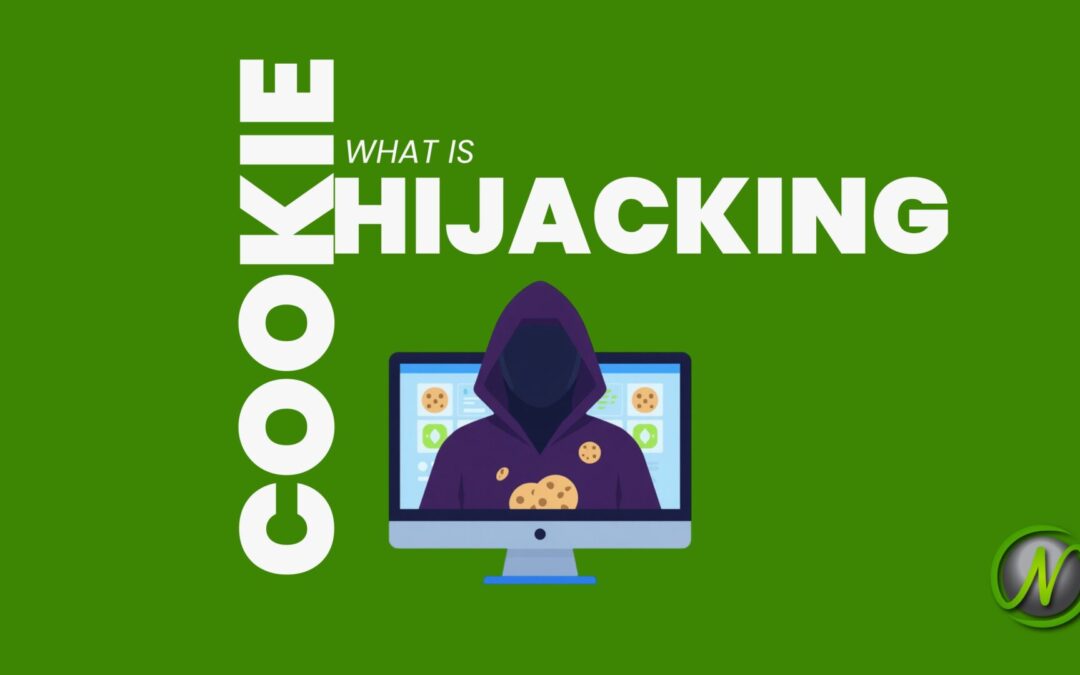
Session Cookie Hijacking

Think about the last time you went to an event with a wristband system.

You waited in line, showed your ID, proved you belonged there, and got your wristband. From that point on, the wristband was your proof of entry. Nobody asked for your ID again.

Now imagine someone stole that wristband off your wrist after you were already inside. They didn’t have to wait in line. They didn’t have to show ID. They just walked in wearing your wristband with no questions asked.

That’s exactly how session cookie hijacking works.

When you log into a business application, your browser receives a small piece of digital data called a session cookie. That cookie is essentially your wristband. It tells the system you’ve already proven who you are, so you don’t have to log in again on every click.

If a cybercriminal can steal that cookie, they don’t need your password. They don’t need to beat your MFA prompt. They simply use your wristband to walk right in, and the system has no reason to stop them.


This Isn’t a Rare, Sophisticated Attack Anymore

A few years ago, this kind of attack required a level of technical sophistication that put it out of reach for most cybercriminals. That’s no longer the case.

The tools and techniques needed to pull off session cookie theft have become widely available and increasingly automated. Attacks targeting session cookies have been used against tens of thousands of organizations across industries – including small and mid-sized businesses that assumed their MFA setup had them covered.

For a law firm in Tulsa managing confidential client files, a healthcare practice storing patient records, or an energy company with sensitive operational data, the consequences of an account being accessed this way can be severe.  From data breaches and compliance violations to client notification requirements and reputational damage, the effects can be devastating.

The attack doesn’t announce itself. It looks, from the system’s perspective, like a normal login from an authenticated user. By the time anyone notices something is wrong, significant damage may already be done.


How Attackers Pull This Off

There are a few common ways cybercriminals steal session cookies from businesses. None of them require your employees to do anything dramatically wrong, which is part of what makes them so effective.

The fake login page trap. An employee receives a convincing phishing email and clicks a link that takes them to what looks like a legitimate login page: Microsoft 365, a cloud accounting platform, or a client portal. They enter their credentials and complete the MFA prompt. Everything appears normal. What they don’t know is that the page they just logged into was a lookalike site controlled by an attacker. The attacker captures both the login and the session cookie in real time, then uses that cookie to access the real account, completely bypassing the MFA step that was just completed. For a legal or healthcare office where employees log into multiple platforms throughout the day, this scenario is more common than most business owners realize.

Riding along on an active session. In more targeted attacks, a cybercriminal can effectively insert themselves into an active browsing session. Rather than stealing credentials and walking away, they monitor and interact with the session as it’s happening. They access the same systems the employee is using in real time, without ever triggering a new login challenge.

Stealing cookies directly from a device. If an employee’s computer or laptop is compromised – through malware, a malicious download, or an unpatched security vulnerability – an attacker can extract session cookies directly from the device. Once they have those cookies, every application the employee was logged into is potentially accessible, regardless of how strong the password or MFA setup was.

In each of these scenarios, the employee did nothing obviously wrong. MFA was enabled. Passwords were in place. And the attack succeeded anyway.


What This Means for Your Business

The takeaway here isn’t that MFA is a waste of time. It absolutely isn’t. MFA remains one of the most important security steps any business can take, and we at Nomerel strongly recommend it for every client of ours.

The takeaway is that MFA is a baseline – not a finish line.

Cybercriminals have adapted. The attacks targeting small and mid-sized businesses in Tulsa today are more sophisticated than they were even two or three years ago. Relying on any single security measure, no matter how effective, leaves gaps that attackers are actively looking for.

For a healthcare practice that could face HIPAA consequences from a breach, a law firm with attorney-client privilege obligations, or an energy company with sensitive operational systems, those gaps carry real weight.


What Tulsa Businesses Can Do About It

The good news is that session cookie hijacking, while serious, is defensible. Protecting against it doesn’t require a complete overhaul of your security setup. It requires layering additional controls around the gaps that MFA alone doesn’t cover. Something the right managed services partner in Tulsa should be addressing proactively.

Here’s what that looks like in practice:

Make phishing harder to fall for. The most common entry point for session cookie theft is a convincing phishing email. Regular, practical security awareness training – not a once-a-year checkbox exercise, but ongoing guidance that keeps employees sharp – significantly reduces the likelihood that someone clicks the wrong link at the wrong moment.

Keep devices clean and current. Outdated software, unpatched operating systems, and devices without proper endpoint protection are common sources of cookie theft. Maintaining device health across your team is a practical defense that managed IT services like Nomerel can handle proactively, eliminating the need for employees to manage it themselves.

Tighten session settings for sensitive applications. Many business applications allow administrators to configure how long sessions stay active, whether sessions can be used from new devices or locations, and whether suspicious activity triggers a re-authentication requirement. These settings often go untouched at default, but adjusting them can significantly reduce the window of opportunity for a stolen cookie to be useful.

Watch for access that doesn’t look right. Stolen session cookies often show up as unusual access patterns, such as logins from unexpected locations, access at unusual hours, or activity on accounts that should have been inactive. Proactive monitoring that catches these signals early is one of the most effective ways to contain an incident before it becomes a serious breach.

None of these steps requires your team to become cybersecurity experts. What it requires is a managed IT partner who is actively monitoring your environment, keeping your systems current, and ensuring that the controls working alongside your MFA are doing their job.


MFA Is the Lock on the Front Door. Make Sure the Windows Are Locked Too.

Session cookie hijacking is a reminder that cybersecurity is never one setting, one tool, or one conversation. It’s an ongoing, layered approach that evolves as the threats do.

At Nomerel, we help small and mid-sized businesses across Tulsa, Oklahoma City, and throughout Oklahoma build robust, layered protection. As an MSP Tulsa team and managed service provider, we combine cybersecurity monitoring, endpoint management, employee training support, and proactive IT oversight so your business is covered from every direction.

If you want confidence that your current setup covers your team’s activities beyond the log-in screen, we’d love to have that conversation with you.

Contact Rhonda Rush to schedule a no-pressure IT Business Review at Rhonda.Rush@Nomerel.com or call (918) 770-4099.

Frequently Asked Questions:

Q: What is session cookie hijacking?

A: Session cookie hijacking is a type of cyberattack where a criminal steals the digital token that keeps you logged into a web application. Because that token proves you’ve already authenticated, the attacker can access your account without needing your password or completing your MFA prompt.

Q: Does MFA protect against session cookie hijacking?

A: MFA significantly reduces the risk of basic account takeover, but it does not fully protect against session cookie hijacking. Attackers who steal a session cookie after MFA has already been completed can bypass the login process entirely, which is why layered security controls are essential alongside MFA, especially for organizations relying on a managed service provider for ongoing security management.

Q: How do cybercriminals steal session cookies from small businesses?

A: The most common methods include convincing phishing pages that capture session cookies in real time, malware installed on employee devices that extracts cookies directly, and techniques that allow attackers to ride along on active browser sessions without triggering a new login challenge.

Q: What can Oklahoma businesses do to protect against session cookie hijacking?

A: Key protections include regular phishing awareness training, keeping all devices patched and protected with endpoint security, configuring session timeout and re-authentication settings on sensitive applications, and implementing active monitoring that detects unusual access patterns before a breach escalates.

Q: How can Nomerel help protect my business from this type of cyberattack?

A: Nomerel provides layered cybersecurity protection for small and mid-sized businesses across Tulsa, Oklahoma City, and throughout Oklahoma including endpoint management, proactive monitoring, cybersecurity awareness support, and IT oversight that keeps your defenses current as threats evolve. If you’re looking for managed services Tulsa businesses can rely on, contact Rhonda Rush at Rhonda.Rush@Nomerel.com or call (918) 770-4099 to schedule an IT Business Review.

Rhonda Rush

Rhonda Rush

Co-author, Director of Operations at Nomerel

Rhonda serves as Director of Operations at Nomerel, where she ensures every part of the organization—from service delivery to internal processes—runs smoothly and consistently. With a strong background in business operations, human resources, and organizational leadership, Rhonda brings a thoughtful, people-first approach to maintaining high service standards and a positive company culture. She holds both PHR and SHRM-CP certifications and is known for her commitment to clear communication, accountability, and attention to detail. Simply put, Rhonda is the glue that helps hold Nomerel together and keeps everything moving in the right direction.

Faith Morgan

Faith Morgan

Co-author, Marketing Coordinator at Nomerel

Faith is a dynamic marketing professional with over 9 years of experience in content marketing, social media strategy and video production. An avid traveler and outdoor enthusiast, she draws inspiration from exploring new places, enriching her storytelling approach. At Nomerel, she enhances communication, streamlines processes, and supports the company’s mission to provide exceptional IT solutions.
Don’t Lose It: How to Recover Files and Stay Productive in Microsoft 365 | Webinar Recap

Don’t Lose It: How to Recover Files and Stay Productive in Microsoft 365 | Webinar Recap

Don’t Lose It: How to Recover Files and Stay Productive in Microsoft 365 | Webinar Recap

When a file disappears, gets overwritten, or SharePoint goes down, most teams don’t know what to do next — and that uncertainty costs time, productivity, and sometimes critical work.

In this recorded session, Nomerel’s Mark and Rhonda Rush walk through exactly how to recover files in Microsoft 365 and keep your business moving when technology lets you down. From restoring previous versions of Word and Excel files to getting back into OneDrive and SharePoint after an outage, this session shows you what recovery actually looks like — step by step, in plain language, without the panic.

Most small businesses assume their files are protected because they use OneDrive or SharePoint — but having a backup and knowing how to use it under pressure are two very different things. This session is designed to close that gap before an incident forces you to find it.

During this session, we cover:

  • How to recover previous versions of Word and Excel files using OneDrive and SharePoint’s version history
  • How to restore access quickly when SharePoint or OneDrive goes down
  • How to identify your biggest file recovery gaps before an incident happens
  • Practical strategies to keep your team productive during downtime

This session is ideal for business owners, office managers, and team leads who want to feel confident that their files are protected — and that their team knows exactly what to do if something goes wrong.

If you’ve ever wondered whether your backups would actually hold up in a real data loss event, this replay is a practical and reassuring place to start.

📩 If you’d like to discuss how Nomerel can help protect your business’s files and data, contact our team at sales@nomerel.com to schedule a consultation.

5 Automation Shortcuts That Save Tulsa Businesses Time and Money

5 Automation Shortcuts That Save Tulsa Businesses Time and Money

What would your business look like if your best people had an extra day each week to focus on clients, strategy, or growth? That’s not a stretch goal – it’s the real-world result one accounting firm saw after automating a single manual process that had been part of their routine for years. No new hires. No big overhaul. Just 300 hours a year quietly handed back.

Here’s the thing: your most valuable employees are probably spending part of their week on work that doesn’t need them. Not because they’re underperforming  – because no one has stopped to ask whether a computer should be doing it instead. As a managed IT services provider in Tulsa, we see this scenario play out every week-businesses losing time not because they lack talent, but because their systems aren’t doing enough of the work for them.

The good news? You don’t need a massive IT project to start fixing it. The automations that deliver the biggest return are usually small, practical shortcuts that quietly remove friction from everyday work.

One thing worth knowing, though: automation amplifies whatever foundation you already have. If your tools aren’t connected or your processes are fuzzy, automation can create just as much chaos as it prevents. That’s why starting with a solid IT foundation – and the right managed IT partner  – makes all the difference between automation that helps and automation that just adds another thing to manage.


Where Time and Money Slip Away

If you traced your team’s day from start to finish, you might be surprised by how much of it is spent on work that doesn’t need to exist.

It rarely shows up as one big problem. It’s a dozen small ones.

By midafternoon, someone’s already entered the same client information twice. A new hire is still waiting on system access because onboarding steps are scattered across three people’s to-do lists. An approval that should’ve taken five minutes has been sitting in an inbox since morning.

Individually, these moments feel like minor annoyances. Together, they slow your team down, add to payroll costs, and pull your best people away from the work they were hired to do. In healthcare practices, law firms, and energy companies across Tulsa and Oklahoma City, this kind of quiet drag adds up to thousands of dollars a year  – often without leadership ever connecting the dots.

This is exactly where managed IT services in Tulsa can move the needle – especially when automation is built on a reliable, well-managed IT foundation.


5 Automation Shortcuts That Pay Off

The automations that deliver the best results aren’t the flashiest ones. They’re the ones that target work your skilled employees shouldn’t be doing in the first place.

Here’s where we see the most immediate payoff for businesses like yours.


Shortcut #1: Eliminate Duplicate Data Entry

If your team is entering the same patient, client, or vendor information into more than one system, you’re quietly absorbing costs every single day. Manual re-entry doesn’t just eat time – it introduces errors that someone else must catch and clean up later.

When systems share data automatically, you cut the repetition and improve accuracy at the same time. It’s one of the simplest changes with some of the most immediate results.

Business impact: Reclaim billable hours, reduce rework, and make decisions based on information you can trust.


Shortcut #2: Streamline Common Internal Requests

Think about how often someone on your team must stop what they’re doing to handle a password reset or push through an access request. Each one takes maybe ten minutes. Multiply that across a week, and it adds up fast  – and that’s before you factor in the focus lost every time someone gets pulled off a real task.

Simple automation lets those routine requests move through the right channels without anyone having to babysit them.

Business impact: Faster response times, less daily friction, and more mental bandwidth for your team to get things done.


Shortcut #3: Automate Onboarding and Offboarding

Nobody enjoys a chaotic first week. And nobody wants to find out that a former employee still has access to systems three weeks after they left.

When onboarding and offboarding rely on scattered checklists and individual memory, steps get missed. In regulated industries like healthcare and legal services, those gaps can create real compliance exposure. Automation makes the right things happen automatically, every time  – no one must remember to kick it off.

Business impact: Stronger security, less administrative scramble, and new hires who feel set up for success from day one.


Shortcut #4: Replace Manual Monitoring with Smart Alerts

If someone on your team is regularly checking dashboards just to make sure everything looks okay, that’s a lot of time spent waiting for something to go wrong.

Smart alerts flip that dynamic entirely. Your team isn’t watching systems anymore – they’re only notified when something truly needs their attention.

Business impact: Less wasted time on routine checks and a much faster response when something real comes up.


Shortcut #5: Standardize Repetitive Processes

When routine tasks get handled differently depending on who’s available or who remembers the steps, inconsistency creeps in. Eventually, it reaches your customers – and that’s when it becomes a bigger problem than just an internal headache.

Automation keeps things consistent. The same steps, the same way, every time.

Business impact: More predictability, a lighter training load, and fewer of those “how did this slip through?” moments.


How to Spot Your Best Automation Opportunities

You don’t have to be a technology expert to figure out where your biggest opportunities are. In most businesses, they’re not hidden – they just haven’t been named yet.

For many Tulsa businesses, working with a local MSP in Tulsa makes automation simpler and more effective. A trusted managed services provider understands regional industries, compliance demands, and how to build systems that scale without unnecessary complexity.

A few good questions to start with:

  • Where does work tend to stall or slow down for no obvious reason?
  • What tasks does your team complain about most consistently?
  • Where do small mistakes happen because steps are handled manually?

The answers almost always point to repeatable processes that follow clear rules. Those are your best starting points – and usually the easiest wins.

The goal isn’t to automate everything. It’s to stop spending skilled time on work that doesn’t need skilled attention.


Why the Right Managed IT Partner Makes All the Difference

Here’s something we hear often: businesses know they should be automating more, but they’re not sure where to start – and they don’t want to make things more complicated than they already are.

That’s a completely fair concern. Automation done poorly really can create more work. But automation done right? It quietly makes everything a little easier, week after week.

At Nomerel, we don’t walk in with a list of tools to sell you. We start by understanding how work flows through your business – where the friction lives, where the manual steps are hiding, and what your team is tolerating because it’s just become normal. From there, we help you simplify before you automate, so the improvements stick.

We work with businesses across Tulsa, Oklahoma City, and the surrounding region as their managed IT services partner – and this kind of operational clarity is one of the things we love helping with most.


Wondering Where You’re Losing Time?

Automation isn’t about chasing the latest technology trend. It’s about getting your team’s time back and removing the small frustrations that add up to big costs over the course of a year.

The best improvements aren’t loud. They just work – quietly, consistently, in the background. But getting there starts with a clear-eyed look at your IT environment and an honest conversation about what’s slowing you down.

If you’re evaluating managed IT services in Tulsa or considering a new MSP partner, automation is one of the clearest ways to unlock value quickly – when it’s done right.


We’d love to have that conversation with you. Reach out to our team at sales@nomerel.com or call 918-770-4099 to schedule a free, no-obligation consultation. We’ll help you identify where automation can make the biggest difference – and make sure your foundation is ready to support it.


FAQ
Q: What is business process automation and does my business need it?

Business process automation means using technology to handle repetitive, rule-based tasks — things like data entry, routing requests, or sending notifications — without requiring manual effort. If your team is regularly spending time on the same steps week after week, there’s a good chance automation could give that time back. Most small and mid-sized businesses in Tulsa have more automation opportunities than they realize, and many don’t require a large investment to get started.

Q: How much time can automation realistically save my business?

It varies by business, but the results are often surprising. A single automated process — like eliminating duplicate data entry or streamlining onboarding — can recover dozens of hours per employee each year. One accounting firm we reference in this post reclaimed over 300 hours annually by automating just one manual step. Across a full team, those savings add up quickly.

Q: What tasks or processes should I automate first?

Start with work that is repetitive, follows a clear set of rules, and doesn’t require judgment or creativity. Common starting points include data entry between disconnected systems, internal IT requests like password resets, employee onboarding and offboarding, and routine monitoring and alerts. A managed IT partner can help you identify where the biggest time and cost savings are hiding in your specific environment.

Q: Is automation only practical for large businesses with big IT budgets?

Not at all. In fact, small and mid-sized businesses often see the fastest and most noticeable returns from automation because manual processes make up a larger share of daily operations. Many of the most impactful automations are built into tools businesses already use — like Microsoft 365 — and just need to be properly configured. A managed IT services provider can help you get value from the technology you’re already paying for.

Q: How does a managed IT partner help with business automation?

The biggest challenge with automation isn’t the technology — it’s knowing what to automate and in what order. A managed IT partner like Nomerel starts by understanding how work flows through your business, identifying where manual effort is creating drag, and helping you simplify before adding automation. This ensures that new automations actually stick and improve operations rather than adding complexity. If you’re based in Tulsa, Oklahoma City, or the surrounding area, our team is ready to help you get started.

Mark Rush

Mark Rush

Co-author, Founder & CEO of Nomerel

Mark founded Nomerel on a straightforward premise: businesses deserve technology that works — reliably, securely, and without disruption. With over 40 years of experience in IT leadership and managed services, he has guided organizations of all sizes through modernization initiatives, cybersecurity challenges, and complex infrastructure decisions. Mark is known for his calm, strategic approach and his ability to help clients cut through the noise and make confident, well-informed technology decisions. His focus has always been on building lasting partnerships rooted in trust, reducing risk, and ensuring technology becomes a strength — not a source of stress — for the businesses he serves.

Faith Morgan

Faith Morgan

Co-author, Marketing Coordinator at Nomerel

Faith is a dynamic marketing professional with over 9 years of experience in content marketing, social media strategy and video production. An avid traveler and outdoor enthusiast, she draws inspiration from exploring new places, enriching her storytelling approach. At Nomerel, she enhances communication, streamlines processes, and supports the company’s mission to provide exceptional IT solutions.
The Hidden Advantage of Having a Managed IT Partner in Tulsa

The Hidden Advantage of Having a Managed IT Partner in Tulsa

Most business leaders already know their IT environment could use some attention.

For many growing organizations, working with a managed IT services provider in Tulsa brings clarity and control to environments that have quietly become overly complex.

It’s the software subscription you’re still paying for—despite not knowing whether anyone uses it anymore. Maybe it’s a project management platform your team adopted two years ago, used for one client engagement, and never cancelled — still billing $200 a month without anyone noticing. The account access that should have been removed when a former employee moved on — like the office manager who left six months ago but whose login credentials still have full access to your shared drives and client files. The process your team manages across three different systems and a spreadsheet because that’s just the way it’s always been done — like running payroll approvals through email, a shared Excel file, and a separate HR platform that don’t talk to each other.

Nothing is on fire, but the environment feels heavier than it needs to.

As your business has grown, your technology has grown right alongside it — one tool at a time, one access change at a time, one workaround at a time. Now, even small adjustments feel risky because it’s hard to tell what connects to what.

That’s usually where IT cleanup stalls. Not because it isn’t a priority, but because making changes without full visibility feels like guessing — and guessing with your technology doesn’t feel safe.


Why IT Is Hard to Clean Without a Managed IT Partner in Tulsa

Decluttering a desk is straightforward. You can see everything in front of you. IT doesn’t work that way.

In most small and mid-sized businesses across Tulsa and Oklahoma City, IT is spread across people, vendors, and systems. Some pieces live with a third-party provider. Others sit with an internal admin who’s wearing five other hats. Decisions were made years ago by someone who’s no longer there. Passwords are saved in different places. Ownership is implied rather than documented.

Over time, the environment becomes a collection of things that work rather than a clearly understood setup that anyone fully owns.

Think about a Tulsa law firm that has grown from 8 to 25 employees over the past five years. Along the way, they adopted a document management system, a separate billing platform, a client communication tool, and a handful of Microsoft 365 add-ons — each one added to solve a specific problem at the time. Nobody has ever sat down and looked at all of it together. The managing partner knows the major systems but has no idea what integrations are running in the background, which licenses are active, or whether the three employees who left last year still have access to anything.

That’s not unusual. That’s the norm.

That creates a few challenges that show up consistently when we sit down with businesses for the first time:

No complete picture of what exists. You may know the major systems, but not the plug-ins, licenses, and integrations built around them. A healthcare practice, for example, might be running a patient scheduling tool that was integrated with an older EHR system they replaced 18 months ago — the integration is still active, still has access to patient data, and nobody has thought about it since the migration.

Uncertainty about what’s safe to remove. What looks unused may still be quietly supporting a critical workflow. We’ve seen situations where a seemingly redundant backup tool was the only thing creating recoverable copies of a specific shared folder — pulling it would have left that data completely unprotected without anyone realizing it.

When the consequences of change are unclear, doing nothing feels safer than doing something. So the clutter stays.

You can’t clean what you can’t clearly see. And most teams don’t have the bandwidth to build that clarity while also running the business.


The Risk of Guessing What to Keep or Remove

Spring cleaning shouldn’t feel like trial and error — but that’s exactly what it becomes when visibility is low.

Remove the wrong access or application and the impact can be immediate. Consider an energy company in Tulsa that decides to remove what appears to be an outdated VPN tool — only to discover that two field technicians were still using it to access operational systems remotely. The removal takes those technicians offline mid-shift, halts reporting on active equipment, and requires an emergency call to an outside vendor to restore access. What started as a cleanup effort turns into a half-day disruption and an unplanned support invoice.

Even short disruptions like that burn time, frustrate employees, and erode the trust your clients have in your ability to deliver.

At the same time, leaving outdated systems in place creates ongoing risk that compounds quietly over time. For legal firms managing confidential client data, healthcare practices navigating HIPAA compliance, and energy companies depending on reliable uptime, that risk isn’t abstract — it’s a real liability.

Old software becomes harder to support and more likely to become a security vulnerability. A medical office running an unpatched version of remote desktop software, for instance, is leaving a door open that cybercriminals actively look for — and in a HIPAA-regulated environment, a breach through that door carries significant financial and reputational consequences. Unused accounts create access points that no one is actively monitoring. Redundant tools inflate costs and complicate training. And as processes drift, people invent their own ways to work around systems — which creates inconsistency, inefficiency, and gaps that are hard to close later.

This is where many businesses get stuck. There’s awareness that something needs to change, but not enough documentation or ownership to act on it decisively. So the clutter stays — not because no one cares, but because the path forward isn’t clear enough to act on confidently.

A good IT cleanup doesn’t rely on courage. It relies on clarity.


What the Right Managed IT Services Partner in Tulsa Brings to the Process

The right managed IT provider doesn’t show up with a pitch deck and a list of tools to sell you. They show up as a guide.

Cleaning up an IT environment is less about technical execution and more about informed, holistic decision-making. Someone needs to see the full picture, ask the right questions, understand how everything connects, and reduce risk as changes are made — not after.

Experienced managed IT services teams in Tulsa bring structure, documentation, and risk reduction to environments that have grown organically over time.

Here’s what a strong IT partner brings to the process:

An objective outside perspective. Internal teams get used to what feels normal. An outside partner can identify duplication, security gaps, and hidden risk faster — because they’re not inside the environment looking at it every day. A Tulsa accounting firm we worked with had three separate cloud storage solutions running simultaneously — OneDrive, Dropbox, and a legacy file server — because each had been adopted by a different team at a different time. Nobody inside the business saw it as a problem because each team was used to their own system. From the outside, it was an obvious consolidation opportunity that was costing them in licensing fees, creating version control confusion, and making it nearly impossible to enforce consistent access permissions.

Experience across many businesses. We’ve seen what causes friction as companies grow, what breaks during transitions, and what gets missed when roles change or employees leave. That pattern recognition matters when decisions feel uncertain. When a healthcare practice loses their office manager — the person who knew where everything lived — an experienced IT partner already has the documentation to fill that gap without missing a beat.

A structured, proven approach. Good IT cleanup is methodical, not reactive. Inventory first. Usage and access review next. Then a clear picture of how everything connects — followed by a phased plan to retire, consolidate, or replace what no longer serves the business. Nothing changes without a reason and nothing changes without a documented rollback plan if something unexpected happens.

Confidence that nothing critical gets missed. The goal isn’t speed. It’s control. A good partner documents what’s there and protects continuity while changes are being made, so your team keeps working without interruption. For a legal firm in the middle of active cases or a healthcare practice with patients to see, that continuity isn’t optional — it’s everything.

Experience turns cleanup into clarity. Clarity turns decisions into progress.


Why This Matters More as Your Business Grows

Growth exposes what’s been quietly piling up.

More employees mean more access to manage. More clients mean more sensitive data to protect. More services mean more systems that need to work together reliably. What worked smoothly for a team of 10 can start to strain at 30 — and the friction that felt manageable before suddenly becomes a real obstacle.

A good example of this is a Tulsa-area healthcare practice that started with a small administrative team sharing a handful of systems. As they grew and added providers, billing staff, and a second location, the number of users, devices, and access permissions grew with them — but nobody ever went back to clean up what was no longer needed. By the time they reached 40 employees, they had active credentials for 12 former staff members, three billing systems with overlapping functions, and no clear documentation of who had access to what. A HIPAA audit would have been a significant problem. Getting it cleaned up took time and resources that could have been avoided with proactive management along the way.

An organized, well-managed IT environment supports growth by removing uncertainty from the equation. When your environment is clearly documented and actively managed, your team knows which systems to use. Maintenance becomes simpler. Changes feel predictable instead of risky. And business leaders can make decisions with confidence, knowing their technology foundation will hold.

When clutter is reduced and ongoing management is in place, growth feels intentional rather than reactive. Your IT environment stops being something you work around and starts being something you genuinely rely on.


Start With Visibility — Not a Full Overhaul

You don’t need a dramatic overhaul to get started. The first step is simply understanding what you have.

Who owns it. Who can access it. What overlaps. What’s quietly creating drag behind the scenes. Once that picture is clear, the next steps become far more obvious — and far more manageable.

At Nomerel, we provide managed IT services in Tulsa and Oklahoma City, helping small and mid-sized businesses gain full visibility into their technology, reduce risk, and build an IT environment that supports growth instead of slowing it down. We come in as a guide — not to sell you a stack of new tools, but to help you see what’s really there and make decisions you can feel confident about.

The advantage of having the right IT partner in your corner is straightforward: clarity you can trust, decisions you can make with confidence, and an environment that’s ready for whatever comes next — whether that’s a period of growth, a compliance audit, or an Oklahoma storm that sends your team home to work remotely with no warning.

Ready to take the first step? Contact Rhonda Rush to schedule a no-pressure IT Business Review at Rhonda.Rush@Nomerel.com or call (918) 770-4099.


Rhonda Rush

Rhonda Rush

Co-author, Director of Operations at Nomerel

Rhonda serves as Director of Operations at Nomerel, where she ensures every part of the organization—from service delivery to internal processes—runs smoothly and consistently. With a strong background in business operations, human resources, and organizational leadership, Rhonda brings a thoughtful, people-first approach to maintaining high service standards and a positive company culture. She holds both PHR and SHRM-CP certifications and is known for her commitment to clear communication, accountability, and attention to detail. Simply put, Rhonda is the glue that helps hold Nomerel together and keeps everything moving in the right direction.

Faith Morgan

Faith Morgan

Co-author, Marketing Coordinator at Nomerel

Faith is a dynamic marketing professional with over 9 years of experience in content marketing, social media strategy and video production. An avid traveler and outdoor enthusiast, she draws inspiration from exploring new places, enriching her storytelling approach. At Nomerel, she enhances communication, streamlines processes, and supports the company’s mission to provide exceptional IT solutions.

Frequently Asked Questions:

Q: What does a managed IT partner do for Tulsa businesses?

A: A managed IT partner provides ongoing oversight, management, and strategic guidance for your technology environment. For Tulsa businesses, managed IT services help create visibility into systems, software, and access, reduce risk, improve security, and support growth. Instead of reacting to problems, a managed IT partner helps prevent them by keeping your environment organized and documented.


Q: How are managed IT services in Tulsa different from hiring IT support when something breaks?

A: Traditional break‑fix support focuses on repairing issues after they occur. Managed IT services Tulsa providers take a proactive approach by continuously monitoring systems, maintaining documentation, reviewing access, and addressing risks before they lead to downtime, security incidents, or business disruption. This proactive model offers more stability and predictable costs.


Q: Why do managed services Tulsa providers focus so much on visibility and documentation?

A: Visibility is the foundation of effective IT management. Without a clear understanding of what systems exist, who has access, and how tools connect, even small changes can be risky. Managed services Tulsa providers prioritize documentation so decisions can be made confidently—without guessing or disrupting business operations.


Q: How do managed IT services help reduce hidden risks and security gaps?

A: Managed IT services identify outdated software, unused accounts, overlapping tools, and undocumented integrations that quietly increase risk over time. By reviewing and cleaning up these areas, Tulsa businesses reduce security exposure, improve compliance readiness, and lower the likelihood of costly surprises such as data breaches or system failures.


Q: Is managed IT only for large companies, or can small businesses in Tulsa benefit too?

A: Small and mid‑sized businesses often benefit the most from managed IT services in Tulsa. As businesses grow, technology environments become more complex, but internal resources rarely grow at the same pace. Managed services provide expert oversight without the cost of building a full internal IT team.


Q: Can managed services Tulsa providers help clean up an existing IT environment?

A: Yes. One of the core advantages of managed services is helping businesses gain clarity around what they already have. This includes inventorying systems, reviewing licenses and access, identifying redundancies, and creating a structured plan to simplify without disruption. Cleanup is done methodically and with continuity as the top priority.


Q: How is Nomerel different from other managed IT services providers in Tulsa?


Nomerel approaches managed IT services with a strong emphasis on clarity, visibility, and decision confidence, rather than simply selling tools or reacting to problems. Unlike many MSPs that focus primarily on support tickets or rapid deployments, Nomerel starts by helping Tulsa businesses fully understand their existing IT environment—what systems exist, who owns them, how they connect, and where risk or redundancy quietly lives. This guided, documentation‑first approach allows managed services to support long‑term growth, compliance, and operational stability, not just short‑term fixes.