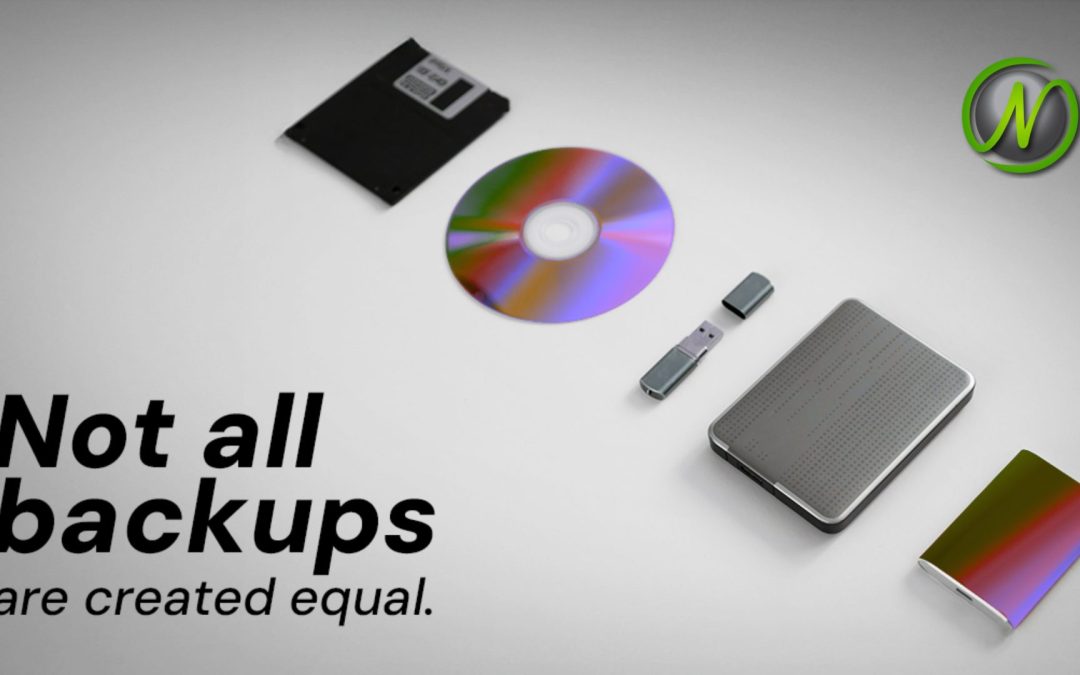
BCDR vs. Backup: Why Oklahoma Businesses Need More Than Just Data Protection

BCDR vs. Backup: Why Oklahoma Businesses Need More Than Just Data Protection

When your business grinds to a halt, every minute feels like a countdown. A server crash, ransomware attack, or even a simple power outage can throw operations off track. That’s when the real question hits: Can you bounce back quickly enough to keep customers, compliance, and revenue safe?

It’s easy to assume backups alone are enough—but that’s only part of the picture.

Backups preserve data. But they don’t restore your systems, applications, or workflows. That’s the role of a business continuity and disaster recovery (BCDR) plan. It’s the difference between simply having a copy of your data and having your entire business operational when things go wrong.


Why Backups and BCDR Must Work Together

Backups help you recover what you had. A BCDR plan ensures you can keep running.

A cyberattack can encrypt your systems. A flood can knock out your hardware. A simple misconfiguration can lock users out of critical tools. Even with perfect backups, you could still face days of downtime.

And downtime is expensive. Beyond lost revenue, it can:

  • Damage customer trust
  • Stall operations
  • Create compliance risks in industries like healthcare or legal
  • Lead to missed business opportunities

Without a BCDR plan, you’re patching holes instead of steering the ship. That’s why smart businesses in Tulsa, Oklahoma City, and across Oklahoma are adopting strategies that combine reliable backups with a robust continuity plan to protect both their data and their operations.


What a Complete BCDR Plan Includes

A strong BCDR plan doesn’t just save files—it keeps your business alive, compliant, and serving customers even when everything else falls apart.

Here’s what a complete strategy should include:

  • Reliable, tested backups
    Backups are only as good as the last time they were tested. A strong BCDR plan ensures your backups are verified under real conditions so you know they’ll work when disaster strikes.
  • System and application recovery
    Restoring files isn’t enough. Your business relies on critical systems and applications that must run smoothly around the clock. BCDR focuses on rebuilding your operational backbone so teams can get back to work quickly.
  • Failover capabilities
    When primary systems fail, you need the ability to switch to alternate infrastructure—often cloud-based—without missing a beat. Failover keeps essential services running while you repair the damage.
  • Defined roles and clear procedures
    In a crisis, hesitation is costly. A BCDR plan defines responsibilities, communication flows, and decision-making processes so every second counts toward recovery.
  • Regular testing and updates
    Cyber threats evolve, and so should your plan. Regular drills and updates keep your BCDR strategy aligned with your business needs and today’s risks.


Protect More Than Data—Protect Your Business

Backups are a starting point, but they’re not the finish line. A well-built BCDR plan turns disruption into a test you’re prepared to pass. It keeps your business resilient, compliant, and customer-focused—even when the unexpected happens.

Not sure where to begin? You’re not alone. At Nomerel, we help SMBs across Tulsa, Oklahoma City, and the region design business continuity strategies that protect more than just files. We safeguard your entire business.

Schedule a no-obligation consultation today and let’s build resilience that lasts.


If you are reading this in real time and want to find out more information about Nomerel and building a bulletproof defense for your business, sign up for our free webinar here

 

Photo of the author Faith Morgan

Faith Morgan

Author, Marketing Coordinator at Nomerel

Faith is a dynamic marketing professional with over 9 years of experience in content marketing, social media strategy and video production. An avid traveler and outdoor enthusiast, she draws inspiration from exploring new places, enriching her storytelling approach. At Nomerel, she enhances communication, streamlines processes, and supports the company’s mission to provide exceptional IT solutions.

Turn Chaos Into Continuity Webinar Recap | Building a Strong BCDR Strategy

Turn Chaos Into Continuity Webinar Recap | Building a Strong BCDR Strategy

Turn Chaos into Continuity: How to Build a Strong BCDR Strategy

In today’s threat landscape, even a few hours of downtime can cause serious financial and reputational damage. From ransomware attacks and hardware failures to natural disasters and power outages, every organization faces potential disruptions that can halt operations in an instant. That’s where Business Continuity and Disaster Recovery (BCDR) planning comes in.

In this 50-minute webinar, Nomerel’s Mark and Rhonda Rush walk you through the key components of a resilient BCDR strategy—and why it’s essential to move beyond “hoping for the best” to “preparing for the worst.” They explain how a Business Impact Analysis (BIA) helps identify critical systems, prioritize recovery efforts, and build a plan tailored to your organization’s real-world risks.

You’ll learn how to design a continuity plan that goes beyond backups—one that ensures communication, coordination, and accountability across your team when disruptions strike. The discussion also explores how AI and automation are transforming disaster recovery, enabling faster response times and smarter decision-making under pressure.

Mark and Rhonda share lessons learned from real client experiences, highlight common mistakes businesses make when developing or testing their plans, and provide practical guidance for creating a living, tested BCDR program. Whether your business is large or small, in Tulsa or beyond, this session will help you build confidence in your ability to recover, adapt, and continue serving your customers no matter what comes your way.

📩 Want to create or update your own BCDR plan? Contact our team at Sales@nomerel.com to learn how Nomerel can help strengthen your IT resilience and business continuity strategy.

BCDR vs. Backup: Why Oklahoma Businesses Need More Than Just Data Protection

BCDR vs. Backup: Why Oklahoma Businesses Need More Than Just Data Protection

When your business grinds to a halt, every minute feels like a countdown. A server crash, ransomware attack, or even a simple power outage can throw operations off track. That’s when the real question hits: Can you bounce back quickly enough to keep customers, compliance, and revenue safe?

It’s easy to assume backups alone are enough—but that’s only part of the picture.

Backups preserve data. But they don’t restore your systems, applications, or workflows. That’s the role of a business continuity and disaster recovery (BCDR) plan. It’s the difference between simply having a copy of your data and having your entire business operational when things go wrong.


Why Backups and BCDR Must Work Together

Backups help you recover what you had. A BCDR plan ensures you can keep running.

A cyberattack can encrypt your systems. A flood can knock out your hardware. A simple misconfiguration can lock users out of critical tools. Even with perfect backups, you could still face days of downtime.

And downtime is expensive. Beyond lost revenue, it can:

  • Damage customer trust
  • Stall operations
  • Create compliance risks in industries like healthcare or legal
  • Lead to missed business opportunities

Without a BCDR plan, you’re patching holes instead of steering the ship. That’s why smart businesses in Tulsa, Oklahoma City, and across Oklahoma are adopting strategies that combine reliable backups with a robust continuity plan to protect both their data and their operations.


What a Complete BCDR Plan Includes

A strong BCDR plan doesn’t just save files—it keeps your business alive, compliant, and serving customers even when everything else falls apart.

Here’s what a complete strategy should include:

  • Reliable, tested backups
    Backups are only as good as the last time they were tested. A strong BCDR plan ensures your backups are verified under real conditions so you know they’ll work when disaster strikes.
  • System and application recovery
    Restoring files isn’t enough. Your business relies on critical systems and applications that must run smoothly around the clock. BCDR focuses on rebuilding your operational backbone so teams can get back to work quickly.
  • Failover capabilities
    When primary systems fail, you need the ability to switch to alternate infrastructure—often cloud-based—without missing a beat. Failover keeps essential services running while you repair the damage.
  • Defined roles and clear procedures
    In a crisis, hesitation is costly. A BCDR plan defines responsibilities, communication flows, and decision-making processes so every second counts toward recovery.
  • Regular testing and updates
    Cyber threats evolve, and so should your plan. Regular drills and updates keep your BCDR strategy aligned with your business needs and today’s risks.


Protect More Than Data—Protect Your Business

Backups are a starting point, but they’re not the finish line. A well-built BCDR plan turns disruption into a test you’re prepared to pass. It keeps your business resilient, compliant, and customer-focused—even when the unexpected happens.

Not sure where to begin? You’re not alone. At Nomerel, we help SMBs across Tulsa, Oklahoma City, and the region design business continuity strategies that protect more than just files. We safeguard your entire business.

Schedule a no-obligation consultation today and let’s build resilience that lasts.


If you are reading this in real time and want to find out more information about Nomerel and building a bulletproof defense for your business, sign up for our free webinar here